Regulatory evidence plan
Start from the intended use and the decision the submission must support. Population, setting, operators, comparator, endpoints, and claims are built around the evidence the pathway requires.
Diagnostic companies choose us when the samples are hard to get, the timeline is short, and the next regulatory submission has to succeed.
Contact Us →Most CROs manage a plan. RDI gets the study done — by combining evidence-based enrollment, study design grounded in clinical reality, integrated sample and laboratory operations, technology built around the protocol, and senior diagnostics specialists.
Understand where the patients and the standard of care for your IVD.
Study design →Design the study that aligns the physician, their patients, and your intended use.
Study design →Integrate everything from the collection kit to the data export — our own sites, lab, biobank, and Diagnostica™ software.
Laboratory →Put diagnostics specialists — assay scientists and pathologists — in charge of the study.
The team →A global diagnostics leader needed reference ranges for a new assay panel — over a thousand healthy subjects across adult, pediatric (Tanner-staged), and pregnancy cohorts. The prior CRO had stalled the U.S. arm; the sites simply weren't delivering the quotas.
A midsized IVD manufacturer came to us with a point-of-care device that had to align operator, patient, and clinical setting to meet strict regulatory requirements — on top of milestone-based funding for the program that made the stakes extremely high. RDI activated 10 sites in months, then retargeted positives outside the normal flu season, an enrichment strategy that kept the study on track.
From end-to-end program ownership to targeted laboratory support, RDI can lead the work or extend your team.
Know where eligible patients are, how samples will be collected and tested, and what evidence regulators will require—before the protocol is finalized.
The conventional process writes a protocol, then asks investigators whether they can run it. Studies built on surveys fail quietly through slow enrollment, the wrong patient mix, workflows sites do not perform, or samples the laboratory cannot use.
RDI starts with the intended use, patient population, standard of care, specimen and testing workflow, and regulatory endpoint. Then we design a study that can actually run — informed by our 18 years of experience and 300+ trials.
RDI does the analysis to find the physicians that see your patient population. This shapes the approach — not the other way around.
Start from the intended use and the decision the submission must support. Population, setting, operators, comparator, endpoints, and claims are built around the evidence the pathway requires.
Show where intended-use patients are already treated, which physicians see them, and which comorbidities affect eligibility. The site plan starts from observed care, not investigator estimates.
Map how patients are diagnosed, tested, and referred today, then design around workflows physicians already perform — before sites are selected.
Design kit, handling, transport, comparator testing, QC, storage, and data flow as one chain before the first patient enrolls.
When the statistics need a positivity rate the general population will not deliver, design enrichment up front — screening, physician type, geography, seasonality — instead of discovering the shortfall mid-study.
Define what source supports each endpoint, what reviewers need to see, how disagreements resolve, and how final classifications enter the dataset.
Site strategy is only as good as the physicians you can actually reach. We maintain direct access to 34,500+ physicians across 67 specialties in all 50 states — and a recruitment engine that has activated sites in as little as 10 days, and found hard-to-find patients across its 300+ trials.
34,500+ physicians across all 50 states and 67 specialties — from cardiology and dermatology to transplant medicine and pediatric urgent care.
The network grows faster than any study timeline — thousands of physicians and ~150 site relationships added each year, with 19,000 study-specific outreach touches in a typical year.
57 indication-specific campaigns launched in the first half of 2026 — transplant immunosuppressants to pediatric strep — each targeted to the physicians who already see the intended-use population.
For a matched study, a site is typically activated within 2–4 weeks of first physician contact, with a first patient enrolled about two weeks later.
A high-complexity, CLIA-certified and CAP-accredited laboratory dedicated to your study.
RDI's laboratory handles clinical and research specimens under the same quality system and with the urgency diagnostic studies require. It also serves as the central biobank and logistics hub for our sites and sponsors — assembling kits, receiving and accessioning specimens, completing required testing, and storing samples according to protocol. Our laboratory staff works alongside the clinical team, taking work off the sites and making it easier for them to participate in the study.

Owns the science and testing — a pathologist directs specimen handling and assay work, not a project manager.

Owns execution across every active study — the operational lead from kit-out to database lock.
RDI provides high-complexity reference testing for physicians and sponsors through its own test menu. When specialized testing sits outside our menu, we coordinate send-outs through qualified national and specialty reference laboratories.
Sponsors can place instruments in our laboratory and use RDI as an assay validation site. Our medical director can serve as the site principal investigator, and our technologists can be trained on the sponsor's system, assay, and protocol.
Our laboratory team is the operating center for RDI's prospective collections. They assemble and distribute collection kits, receive and accession specimens, complete quality checks and required testing, and prepare samples for storage or shipment. They work in lockstep with the clinical team so the right sites have the right kits at the right time.
Through RDI's own testing and qualified partner laboratories, we have access to over 2 million leftover specimens and can match the study's matrix, analyte range, positivity, volume, stability, and documentation requirements.

A multi-analyte stability program required specimens to be collected, transported, processed, and tested inside a four-hour window and then tested over two years. RDI built the collection workflow around that deadline and ran the work on three sponsor-placed analyzers in Van Nuys.

For a national PSA study, RDI became the single specimen-and-results hub for 27 urology practices across the US — the team ensured samples were tested and entered into the EDC in real time, as the value was critical for study inclusion criteria. Few labs are equipped with a full lab team and research-aware coordinators.

Tosoh funded the comparison; RDI designed the usability protocol, ran 40 paired remnant specimens in duplicate, and took responsibility for the conclusions. The study showed excellent TSH and FSH agreement and a materially lighter operating burden for the AIA-CL300. The outcome was a high-quality white paper suitable for marketing.
Read the Tosoh white paper →Diagnostica™ is our trial software, built in-house for diagnostic studies. You don't license it — it comes with every study we run.
Generic trial software is built for drug trials and then bent, expensively, toward diagnostics. We built Diagnostica™ around what diagnostic studies actually run on — specimens, analyzers, source records, positivity, adjudication — configured around your protocol instead of asking the protocol to fit the software.
You're not really buying software. You're getting the protocol's judgment built into the work: a coordinator's second set of hands, a lab supervisor that never looks away, a protocol expert in every study — plus a compliant eTMF, EDC, and remote source capture, all 21 CFR Part 11.
Each part does a job the other two can't.
Software, hardware, and people, working as one loop — source captured at the bench, every entry checked against it, and problems flagged before they become deviations.
The protocol's logic, thresholds, and clinical decisions, built into the workflow.
The tools that put the system where the work actually happens.
The team that keeps the record clean enough to trust over time.
software + hardware + people · one loop, running continuously
Here's what Diagnostica™ looks like when the workflow is shaped around the protocol — not the other way around.
This protocol carried optional, algorithm-guided immunosuppression decisions a coordinator could easily miss in a PDF. A normal EDC would just store whatever got typed. We built the algorithm into the workflow, so at the right visit it surfaces what the protocol recommends and why — a transplant nurse's judgment beside the coordinator. The software surfaces the recommendation; the clinician still makes the call.
No one can hold this schedule in their head: 27 analytes with their own rules, ~50 subjects each, 138 timepoints apiece, four storage conditions, two years. So the software does the supervising — it knows what's due, flags what's slipping before it becomes a deviation, and catches an out-of-spec result the moment it lands.
See selected operational reports of our studies, the frameworks we use to design them, and our general opinions about clinical research.
~400 subjects across up to 5 specialty sites, split between cognitively normal controls and clinically confirmed Alzheimer's. Many confirmed patients can't legally consent for themselves — so the study only works if a legally authorized representative (LAR) pathway is built in from the start.
Site live 85 days after the intro call, on a path that normally runs 3–6 months. RDI's scope was deliberately narrow — find the site, make the introduction, own the contract and payments — powered by its peer-to-peer MD network in hospital critical care. The engagement later grew to ~5× its original value.
149 subjects across two community clinics, with a 98% qualified rate at first-collection close. The patients are behind the doors of the physicians who already treat them — often behind a language barrier.
1,240 healthy volunteers from the general population across ~20 sub-cohort quotas — adults by age and sex, pediatric by Tanner stage, pregnant by trimester — collected across 12 sites, cold-chained to the lab, and locked on the sponsor's fixed date.
244 subjects across 7 transplant centers. Five drugs across heart, liver, and kidney — a matrix of sub-cohorts, each behaving like its own sub-study.
564 healthy adults across 9 sites. CLSI EP28 dictates the demographic mix of the reference group, so the constraint is who each site can reach — not how many.
60 subjects × 10 visits, ~575 specimens through a single site, with a +376-specimen peak month. The study isn't enrolling 60 women — it's keeping all 60 through ten visits so the serial dataset doesn't collapse into dropouts.
Tell us about the study. We're happy to sign an NDA first.
We run diagnostic trials for the world's leading IVD manufacturers. There's no wasted seat here — every person makes the work better.
Small team, real accountability — you own outcomes end to end, not a narrow slice of a process.
The work is specialized and it matters. We care about getting the science and the operations right.
You're as at home on the floor of a lab as you are in a sponsor meeting — and you like it that way.
We hire people we can trust to make the right call, then give them the room to make it.
Assay scientists, pathologists, and lab operators run the studies — not a handoff to generalists.

Acquired RDI in 2017 and has led the company since — building the team, the systems, and the physician network that let customers of every size benefit from RDI's specialist focus. Holds degrees in pre-med and economics from Columbia. Before RDI, invested in and operated businesses across software startups and public companies up to $2.5B in revenue.
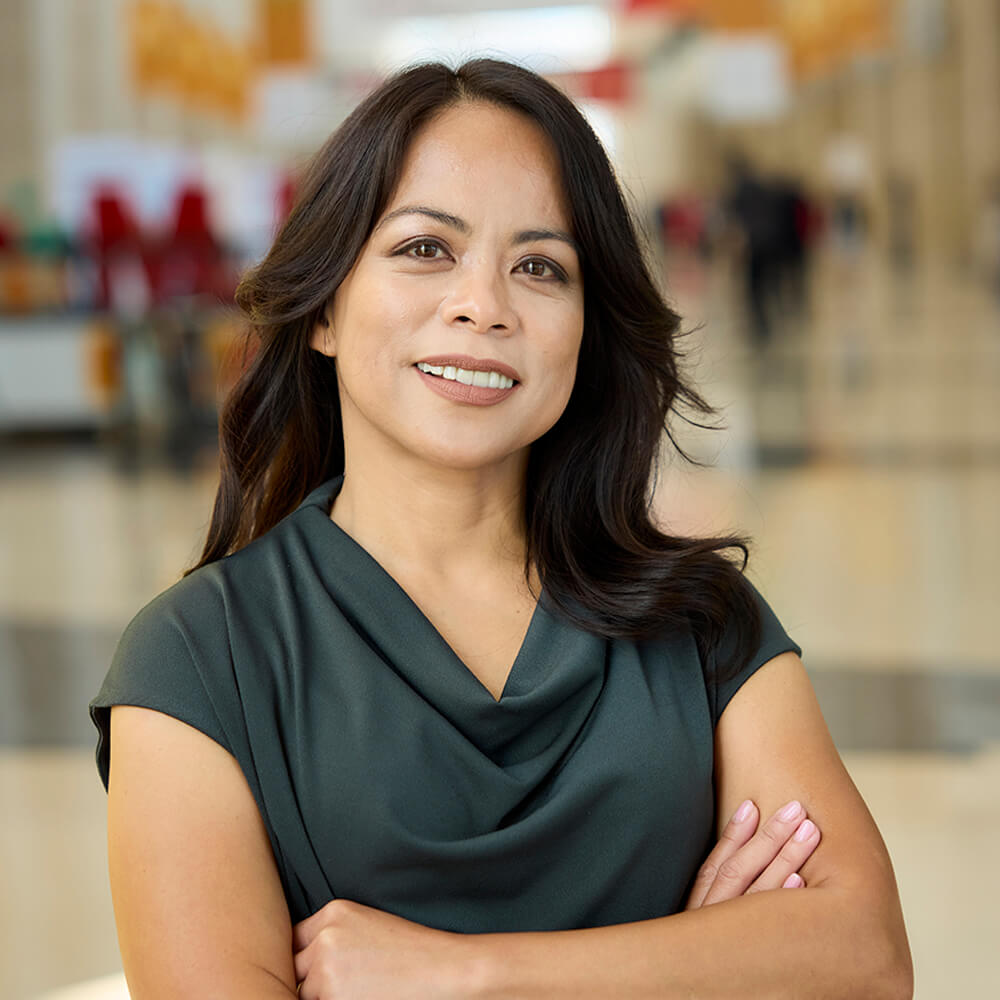
Leads all operations at RDI — sample collection teams and the CLIA lab. Most recently ran Global Lab Operations at NeoGenomics. Before that, business services and clinical operations at Beaufort, an IVD CRO. B.S. in biochemistry from UCLA. Developed and validated 80+ assays across a career at LabCorp, Genzyme, One Lambda (Thermo Fisher), Pathway Diagnostics (Quest), and Amgen.
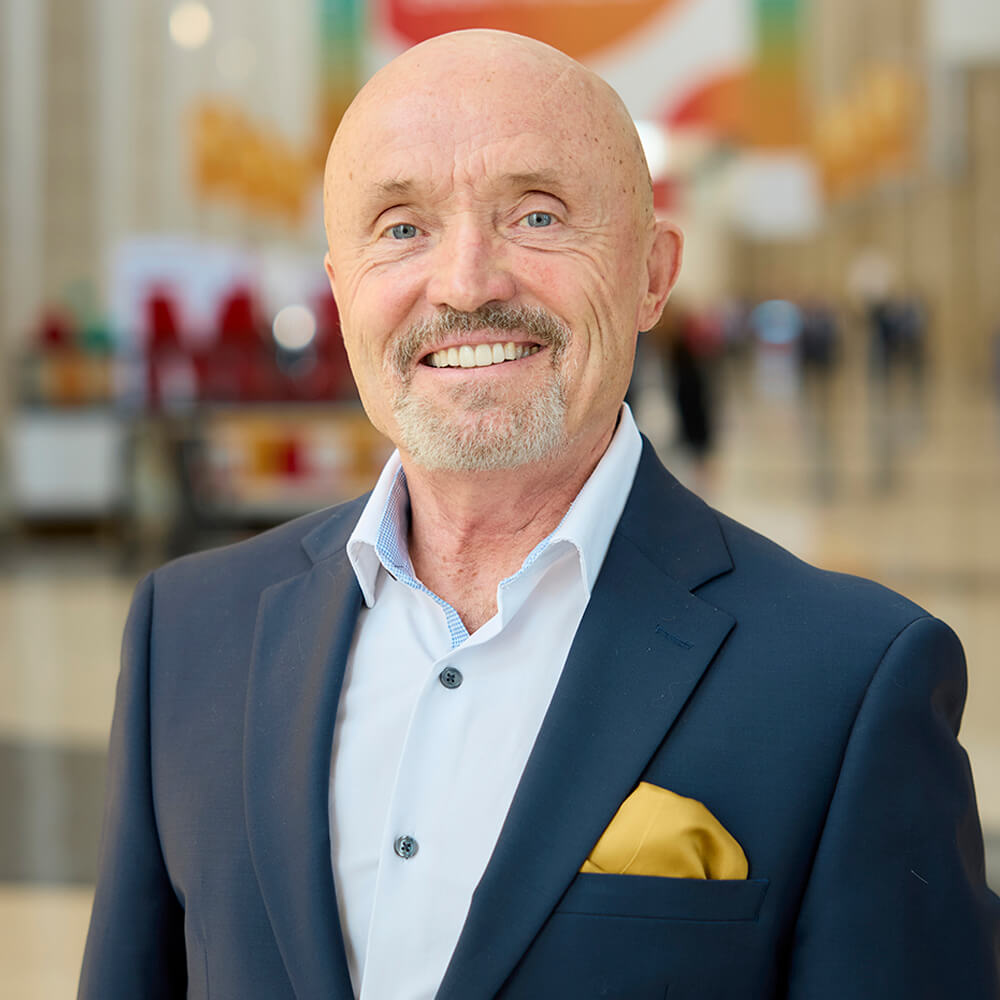
Licensed physician and board-certified pathologist. Previously CMO at Roche Diagnostics, Ortho-Clinical Diagnostics, and Beckman Coulter. Before industry, directed the Hematology/Oncology Center for Quest Diagnostics and served as associate professor of pathology at UC-Irvine. Harvard Medical School graduate. 70+ peer-reviewed publications.
Principal investigator for RDI's prospective collections. Formally trained scientist with a career developing, validating, and launching new diagnostic products — critical in obtaining 510(k), EUA, and CE approval for immunological assays, cancer biomarkers, and genetic molecular assays. Ph.D. in human physiology and biochemistry from the University of Zurich. M.S. in biology from University of Insubria.
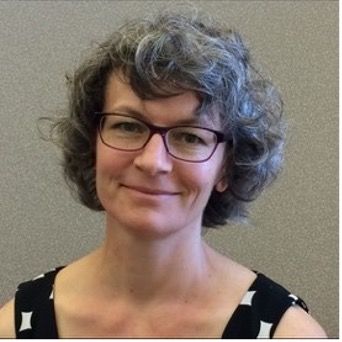
20+ years in IVD R&D and regulatory. Chemical engineer by training. Senior roles at Abbott and SQI Diagnostics. Specializes in FDA and global regulatory strategy, Q-submissions, and pathway design for diagnostics companies building toward clearance.
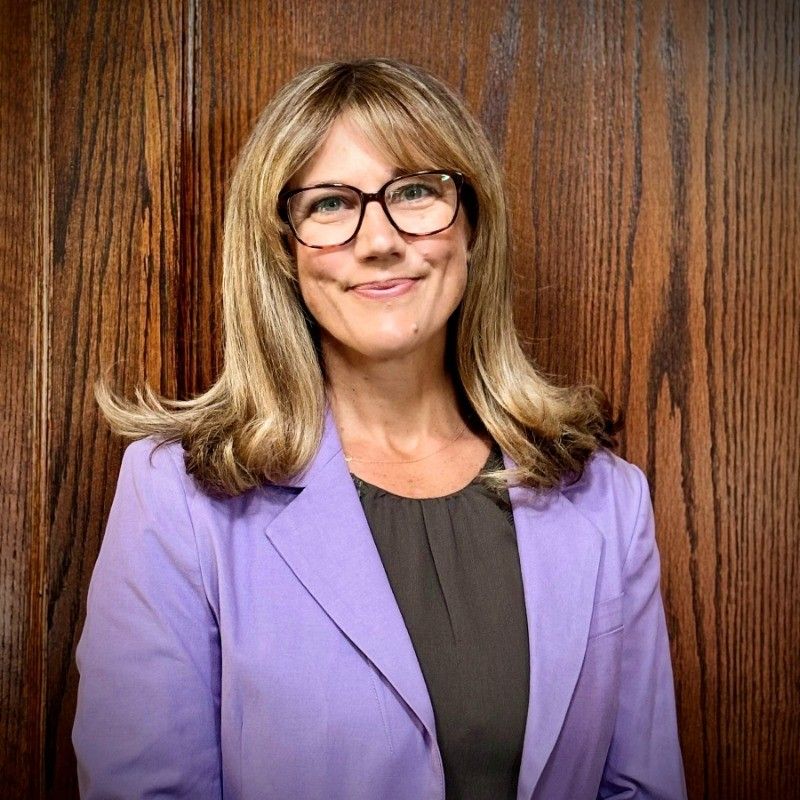
25+ years across IVD quality, compliance, and operations. Most recently directed quality strategy for Abbott's global toxicology business, scaling a compliant QMS across 17+ global sites. Deep expertise in ISO/IEC 17025 and FDA inspection readiness.
Talk to the team that will run your study — or see where we're hiring.
Assay scientists, pathologists, and lab operators run the studies — not a handoff to generalists.

Acquired RDI in 2017 and has led the company since — building the team, the systems, and the physician network that let customers of every size benefit from RDI's specialist focus. Holds degrees in pre-med and economics from Columbia. Before RDI, invested in and operated businesses across software startups and public companies up to $2.5B in revenue.

Leads all operations at RDI — sample collection teams and the CLIA lab. Most recently ran Global Lab Operations at NeoGenomics. Before that, business services and clinical operations at Beaufort, an IVD CRO. B.S. in biochemistry from UCLA. Developed and validated 80+ assays across a career at LabCorp, Genzyme, One Lambda (Thermo Fisher), Pathway Diagnostics (Quest), and Amgen.

Licensed physician and board-certified pathologist. Previously CMO at Roche Diagnostics, Ortho-Clinical Diagnostics, and Beckman Coulter. Before industry, directed the Hematology/Oncology Center for Quest Diagnostics and served as associate professor of pathology at UC-Irvine. Harvard Medical School graduate. 70+ peer-reviewed publications.

Principal investigator for RDI's prospective collections. Formally trained scientist with a career developing, validating, and launching new diagnostic products — critical in obtaining 510(k), EUA, and CE approval for immunological assays, cancer biomarkers, and genetic molecular assays. Ph.D. in human physiology and biochemistry from the University of Zurich. M.S. in biology from University of Insubria.

20+ years in IVD R&D and regulatory. Chemical engineer by training. Senior roles at Abbott and SQI Diagnostics. Specializes in FDA and global regulatory strategy, Q-submissions, and pathway design for diagnostics companies building toward clearance.

25+ years across IVD quality, compliance, and operations. Most recently directed quality strategy for Abbott's global toxicology business, scaling a compliant QMS across 17+ global sites. Deep expertise in ISO/IEC 17025 and FDA inspection readiness.
Talk to the team that will run your study — or see where we're hiring.